
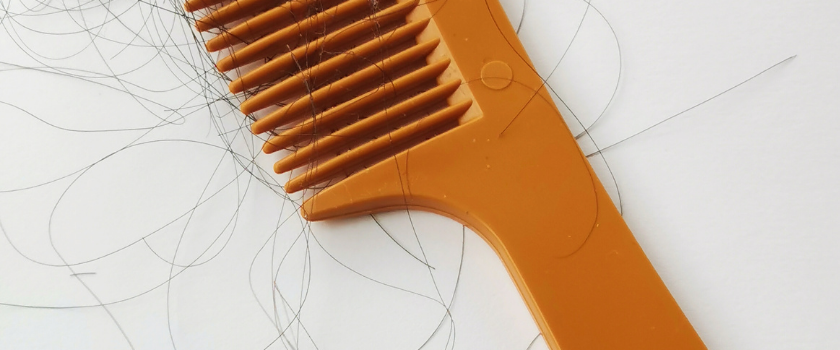
Hair Shedding After PRP: Causes, Timeline & What to Expect
Temporary hair shedding after Platelet-Rich Plasma (PRP) treatment is usually a normal part of the hair restoration process—not a sign that PRP has made your hair loss worse.
Many patients become concerned when they notice increased hair shedding after their first PRP hair restoration treatment. Fortunately, this temporary shedding is often a positive sign that dormant hair follicles are transitioning into a healthier growth cycle. As older, weaker hairs are naturally released, stronger hairs can begin developing beneath the scalp.
This comprehensive guide explains why hair shedding may occur after PRP, when it typically begins, how long it lasts, what is considered normal, and when you should seek medical advice. We’ll also review the science behind PRP hair restoration, the hair growth cycle, and clinical evidence supporting this regenerative treatment.
Quick Answer
Is hair shedding after PRP normal?
Yes. Temporary hair shedding after PRP treatment is a recognized response that some patients experience during the first few weeks after treatment. It does not usually mean PRP has caused permanent hair loss or that the treatment has failed. Instead, it often reflects the natural renewal of the hair growth cycle as dormant follicles become active and begin producing healthier hair.
For most patients, temporary shedding occurs within 2 to 8 weeks after treatment and gradually improves. New hair growth commonly becomes noticeable after approximately 3 to 6 months, while full results often continue improving for up to 12 months.
Key Takeaways
- Temporary hair shedding after PRP is generally a normal response.
- PRP does not usually make permanent hair loss worse.
- Shedding typically occurs within the first 2–8 weeks.
- Older miniaturized hairs may shed as healthier hairs begin developing.
- Most patients notice visible improvement after 3–6 months.
- Maximum improvement often occurs between 6–12 months.
- Persistent worsening hair loss, infection, or severe scalp pain should be assessed by your healthcare provider.
Is Hair Shedding After PRP Normal?
Yes. Temporary hair shedding after Platelet-Rich Plasma (PRP) therapy is a recognized response that may occur during the early stages of treatment. Although it can be alarming to notice more hairs on your pillow, in the shower, or while brushing your hair, this temporary increase in shedding is often part of the natural hair renewal process rather than a sign that your underlying hair loss has become worse.
PRP hair restoration works by delivering a concentrated source of your own platelets and naturally occurring growth factors directly into areas affected by hair thinning. These biologically active proteins help stimulate weakened or dormant hair follicles, encouraging them to leave the resting phase of the hair cycle and enter a new period of active growth.
As this transition occurs, some older, weaker, or miniaturized hairs may naturally shed before healthier hairs begin emerging. This process is similar to the temporary shedding sometimes seen after starting topical minoxidil or following hair transplantation, where existing hairs are replaced by stronger new growth.
The important distinction is that temporary PRP shedding is different from progressive hair loss. While androgenetic alopecia causes ongoing follicle miniaturization over time, temporary PRP shedding is usually brief and is followed by gradual improvements in hair thickness, density, and overall scalp coverage.
Why Does PRP Cause Temporary Hair Shedding?
One of the most common questions patients ask after treatment is, “Why am I losing hair if PRP is supposed to help it grow?” The answer lies in how the hair growth cycle naturally works.
PRP does not damage healthy hair follicles. Instead, it delivers a concentrated source of platelets containing natural growth factors that encourage weakened or dormant follicles to become biologically active again. During this transition, some existing hairs may be released before new, healthier hairs begin growing.
Think of it as replacing older, weaker hairs with stronger ones. Although seeing temporary shedding can be unsettling, it often represents one step in the normal hair renewal process rather than a sign that treatment has failed.
In Simple Terms
PRP stimulates sleeping hair follicles. As these follicles begin producing stronger hairs, some older hairs may naturally shed first. This temporary shedding is generally part of the follicle’s transition into a healthier growth cycle.
Two Reasons Hair Shedding May Occur After PRP
1. Growth Factor–Induced Hair Renewal (Most Common)
The most common reason for temporary hair shedding after PRP is the biological activity of platelet-derived growth factors.
Platelets naturally contain hundreds of signaling proteins involved in tissue repair, blood vessel formation, inflammation regulation, and cellular regeneration. After PRP is injected into the scalp, these growth factors stimulate weakened hair follicles to leave the resting (telogen) phase and re-enter the active growth (anagen) phase.
As this occurs, miniaturized hairs that were already nearing the end of their life cycle may be naturally released, allowing healthier hairs to replace them.
This temporary shedding is usually:
- Short-lived
- Self-limiting
- Followed by gradual regrowth
- Associated with healthier follicles rather than follicle damage
Not every patient experiences noticeable shedding after PRP. When it does occur, it is generally temporary and should gradually improve as the hair cycle progresses.
2. Temporary Shock Loss (Less Common)
A much less common explanation is temporary shock loss.
Shock loss refers to temporary shedding that occasionally occurs after procedures involving the scalp, including hair transplantation, PRP injections, microneedling, or other hair restoration treatments.
This phenomenon is believed to result from temporary stress placed on vulnerable follicles rather than permanent follicle injury.
If shock loss occurs after PRP, it is typically:
- Temporary
- Self-resolving
- Not permanent
- Followed by gradual recovery over several months
Most patients who experience temporary shock loss regain the shed hairs as the follicles recover and resume normal growth.
Normal PRP Shedding vs Concerning Hair Loss
| Normal Temporary PRP Shedding | When You Should Contact Your Provider |
|---|---|
| Occurs within approximately 2–8 weeks | Continues to worsen for several months |
| Gradually improves | No improvement over time |
| Usually followed by new growth | Progressive thinning without regrowth |
| No significant scalp redness | Increasing redness, swelling or drainage |
| No fever | Fever or signs of infection |
| Temporary increase in shedding | Sudden patchy hair loss or severe pain |
Typical PRP Hair Shedding Timeline
Although every patient is different, the following timeline reflects what many patients experience after PRP hair restoration.
Week 1
Mild tenderness or scalp sensitivity may occur following injections.
Weeks 2–8
Some patients notice temporary increased hair shedding as follicles transition into a new growth cycle.
Months 2–4
Hair shedding generally slows. Early improvements in hair quality may begin.
Months 3–6
Many patients begin noticing thicker, healthier hair growth and improved density.
Months 6–12
Hair continues maturing as follicles remain in a prolonged growth phase. Final treatment results become easier to evaluate.
Bottom Line
Temporary hair shedding after PRP is usually a sign that the hair growth cycle is changing—not that the treatment has failed. Most patients who experience early shedding go on to develop thicker, healthier hair as new follicles become active. Because hair grows slowly, PRP results should generally be evaluated over several months rather than a few weeks.
How PRP Influences the Hair Growth Cycle
To understand why temporary hair shedding may occur after PRP treatment, it helps to understand how hair normally grows. Every hair follicle continuously cycles through phases of growth, transition, rest, and shedding. PRP does not create an entirely new hair cycle—it supports the body’s natural cycle by encouraging weakened follicles to spend more time in the active growth phase.
Rather than producing immediate visible results, PRP gradually stimulates biological activity within the hair follicle. Because hair grows slowly, meaningful improvement typically develops over several months rather than days or weeks.
The Three Main Stages of the Hair Growth Cycle
1. Anagen Phase (Active Growth)
The anagen phase is the active growth stage of the hair cycle. During this period, hair follicles continuously produce new hair fibers. Depending on the individual, this phase can last several years and determines how long and thick hair is able to grow.
PRP is believed to support this phase by delivering concentrated platelet-derived growth factors that may encourage healthier follicle function, improve the local environment around the follicle, and promote blood vessel formation (angiogenesis). These biological effects may help maintain follicles in the growth phase for longer.
Hair follicles that remain in the anagen phase longer generally have more opportunity to produce thicker, healthier hair.
2. Catagen Phase (Transition)
The catagen phase is a short transitional stage that follows active growth. During this period, hair production slows and the follicle begins preparing for its resting phase.
This stage is a normal part of every hair cycle and usually lasts only a few weeks before the follicle enters the resting phase.
3. Telogen Phase (Resting & Shedding)
The telogen phase is the resting stage of the hair cycle. Hair follicles temporarily pause active growth before naturally releasing the existing hair shaft. Shedding during this phase is a normal biological process and occurs every day.
Many forms of hair loss involve an increased number of follicles remaining in the telogen phase for longer than normal. PRP aims to encourage appropriate follicles to re-enter the active anagen phase, allowing healthier hair to grow over time.
Hair Growth Cycle at a Glance
| Hair Growth Phase | What Happens | Approximate Duration |
|---|---|---|
| Anagen | Active hair growth | 2–7 years |
| Catagen | Transition phase | 2–3 weeks |
| Telogen | Resting and natural shedding | 2–4 months |
How PRP Supports Hair Restoration
PRP (Platelet-Rich Plasma) is created by processing a small sample of your own blood to concentrate platelets before injecting them into areas affected by hair thinning.
Platelets naturally contain numerous growth factors and signaling proteins involved in tissue repair. When introduced into the scalp, these biological mediators may help create a healthier environment around hair follicles by supporting normal healing processes and follicle activity.
Research suggests PRP may contribute to:
- Supporting healthier hair follicle function
- Improving the local blood supply through angiogenesis
- Encouraging follicles to remain in the active growth phase longer
- Increasing hair shaft thickness in appropriate candidates
- Reducing progressive miniaturization associated with androgenetic alopecia in some patients
Results vary between individuals and depend on factors such as the underlying cause of hair loss, age, genetics, overall health, treatment protocol, and adherence to maintenance therapy.
Who Is Most Likely to Benefit From PRP Hair Restoration?
PRP is generally most effective for patients who still have functioning hair follicles. It is commonly used for individuals experiencing early or moderate hair thinning rather than areas where follicles are no longer active.
Your healthcare provider may recommend PRP for conditions such as:
- Male pattern hair loss (androgenetic alopecia)
- Female pattern hair loss
- Early diffuse hair thinning
- Certain cases of telogen effluvium after the underlying cause has been addressed
- Supporting hair quality after hair transplantation when clinically appropriate
Remember
PRP is not an instant treatment. Hair follicles respond gradually, and visible improvement usually develops over several months. Consistency with your treatment plan and follow-up appointments is important for achieving the best possible outcome.
When Should You Be Concerned About Hair Shedding After PRP?
Although temporary hair shedding after PRP is usually a normal part of the hair restoration process, it’s important to know the difference between an expected response and symptoms that may require medical evaluation.
For most patients, temporary shedding gradually improves as the hair follicles transition into a healthier growth cycle. However, if your symptoms seem unusual or continue worsening, contact your healthcare provider for an assessment.
What’s Normal After PRP?
| Expected Recovery | Contact Your Provider |
|---|---|
| Mild scalp tenderness for 24–72 hours | Severe or worsening pain |
| Minor redness at injection sites | Increasing redness spreading across the scalp |
| Temporary hair shedding within 2–8 weeks | Rapid or persistent hair loss that continues for several months |
| Mild scalp sensitivity | Pus, drainage, or foul-smelling discharge |
| Gradual improvement over several months | No improvement and progressively worsening symptoms |
| No fever | Fever or signs of infection |
When Should You Contact Your PRP Provider?
Although complications following PRP hair restoration are uncommon, you should contact your healthcare provider if you experience:
- Hair shedding that continues to worsen for several months without improvement
- Significant swelling that increases rather than improves
- Persistent scalp pain that is not improving
- Drainage, pus, or signs of infection
- Fever after treatment
- Patchy areas of hair loss that appear suddenly
- Any symptoms that concern you or seem significantly different from the expected recovery process
Your provider can determine whether your symptoms represent normal healing, another cause of hair loss, or a condition requiring additional evaluation.
How to Support Healthy Hair Growth After PRP
Although temporary shedding cannot always be prevented, following your provider’s post-treatment instructions may help support optimal healing and hair follicle recovery.
- Follow your clinic’s aftercare instructions carefully.
- Avoid scratching or aggressively massaging the scalp immediately after treatment.
- Eat a balanced diet with adequate protein and essential nutrients.
- Manage stress whenever possible, as significant stress can contribute to additional hair shedding.
- Attend recommended follow-up treatments and maintenance sessions.
- Discuss any medications or supplements with your healthcare provider before making changes.
Common Mistakes Patients Make After PRP
Stopping Treatment Too Early
Hair follicles require time to complete their natural growth cycle. Many patients become discouraged after only a few weeks, even though visible improvement often requires several months.
Judging Results Too Soon
PRP is a regenerative treatment rather than an immediate cosmetic procedure. Early shedding should not be used to determine whether treatment has been successful.
Expecting Every Patient to Respond the Same Way
Individual results vary depending on the cause of hair loss, genetics, age, hormonal factors, overall health, and the condition of the existing hair follicles.
Our Clinical Experience
One of the most common concerns we hear from patients is that they believe temporary shedding means the treatment has failed. In reality, when shedding occurs within the expected timeframe and gradually improves, it is often consistent with the normal biological response to PRP therapy.
Because hair grows slowly, we encourage patients to evaluate progress over several months rather than a few weeks. Objective assessments using tools such as HairMetrix® AI hair analysis can help monitor changes in hair thickness, density, follicular units, and overall treatment progress over time.
Real Clinical Example: Why Hair Count Doesn’t Tell the Whole Story
Many patients focus only on the number of hairs they lose after PRP treatment. However, hair restoration is about much more than hair count alone. Improvements in hair thickness, terminal hair percentage, follicular quality, and overall density often provide a better picture of treatment success.
In the next section, we’ll examine a real HairMetrix® clinical analysis to demonstrate why a temporary decrease in hair count can occur while overall hair quality is actually improving.
To book your complimentary consultation appointment, call us at 416-548-6548
Book a Consultation