
PRP Hair Restoration
Platelet-rich plasma prepared from your own blood may support active, miniaturizing follicles in suitable candidates. LMC offers both introductory and higher-concentration PRP options.
Flexible financing through Affirm. Split your purchase into manageable payments. Learn more →
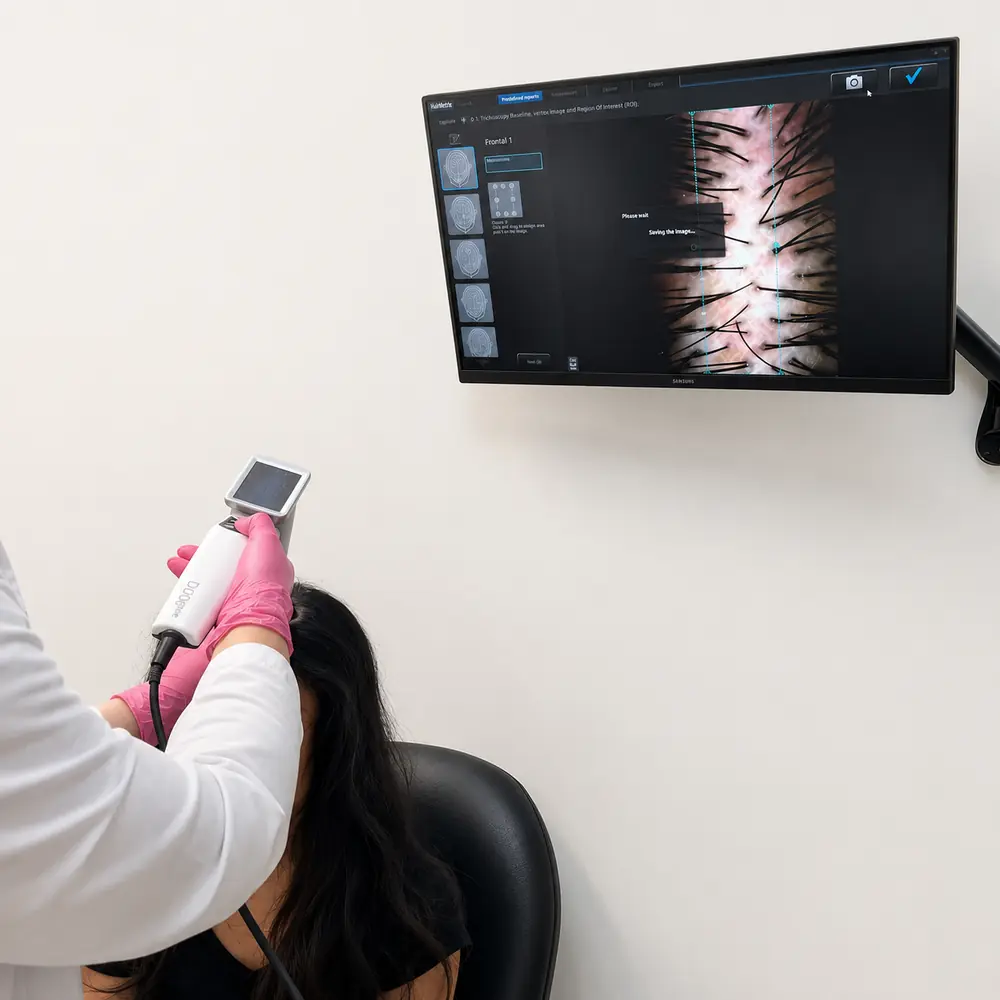
Stop guessing what your hair needs. LMC combines a detailed consultation, AI-assisted HairMetrix® scalp analysis and multiple non-surgical treatment options to build a plan around your pattern—not a generic package.
10168 Yonge Street, Richmond Hill · Free rear parking
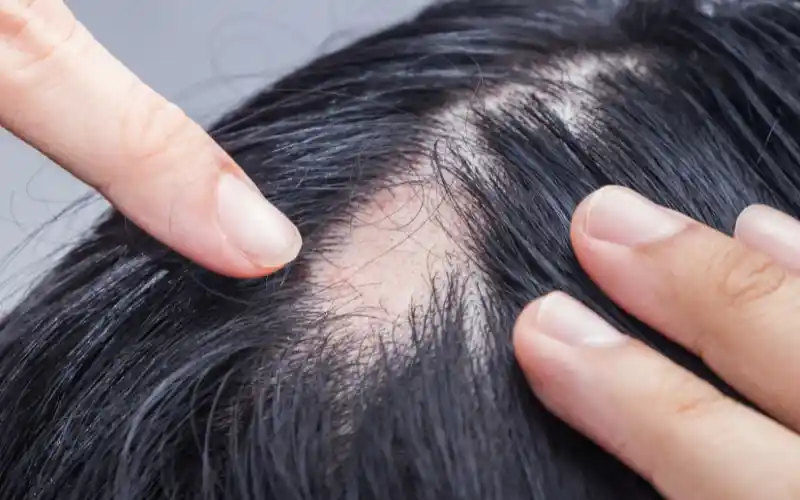
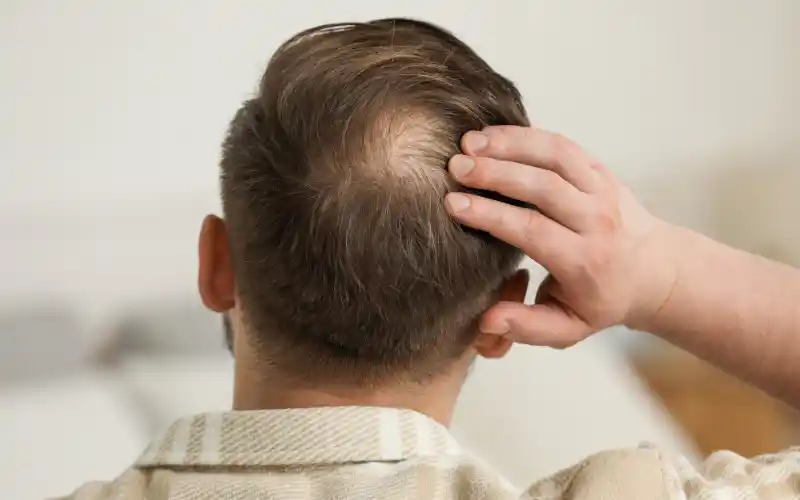
Genetics, hormonal changes, illness, nutritional deficiencies, medications, autoimmune conditions and stress can produce very different patterns of thinning and shedding. Treating the scalp before understanding the pattern is not a personalized plan.
Sudden, severe, painful, inflamed, scarring or patchy hair loss—and hair loss accompanied by systemic symptoms—should be appropriately evaluated.
The right option depends on the likely cause, extent of miniaturization, treatment area, health history, previous response, budget and goals. More technology is not automatically better—the treatment has to fit the patient.
TrichoTest™ genetic analysis may add information when comparing long-term hair-loss options. It does not replace medical diagnosis or blood work.
This table is a starting point, not a prescription. Suitability, preparation, course and expected response vary by patient and product.
| Option | Source | Common Role | Typical Plan | Important Limitation |
|---|---|---|---|---|
| PRP | Patient’s own blood | Support active follicles and pattern thinning | Often a series with individualized maintenance | Preparation systems are not equivalent; response varies |
| PRF | Patient’s own blood | Autologous platelet and fibrin-based treatment | Targeted or higher-volume protocol, then reassessment | Not automatically superior to every PRP option |
| MCT | Patient’s activated plasma | Adjunct within selected PRP-based protocols | Individualized combination treatment | Not a guaranteed exosome or stem-cell treatment |
| Mesotherapy | Professional scalp formulation | Targeted scalp-support adjunct | Multiple sessions may be considered | Does not correct an untreated underlying cause |
| Exosome-Based Therapy | Manufactured extracellular-vesicle formulation | Adjunct regenerative scalp protocol | Product- and patient-dependent | Evidence, products and regulatory status differ |
Prescription medication and hair transplantation may be appropriate for some patients but are not provided by LMC. Where needed, patients should be assessed by an appropriately qualified prescriber, dermatologist or hair-transplant surgeon.
Different preparation systems can produce different treatment volumes and concentration profiles. LMC can consider the scalp area, pattern, health history, previous response, blood characteristics, treatment tolerance and maintenance needs instead of placing every patient into the only system available.
No system is automatically “best.” The advantage is having a real choice and a clear reason for the recommendation.
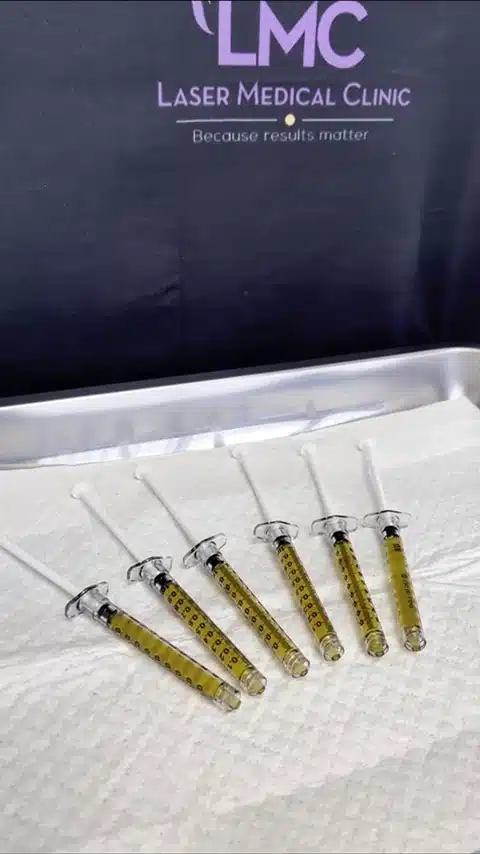
These short summaries explain the practical difference between LMC’s named systems. Final selection happens only after candidacy review.
RegenLab PRP may be considered for selected patients with early thinning, maintenance needs or a preference for an introductory PRP protocol. It is prepared from the patient’s own blood and injected into targeted scalp areas.
ACP PRF is prepared from the patient’s own blood without added anticoagulant. It may be considered when a targeted PRF approach is appropriate. It is not automatically the right treatment because it is newer or more expensive.
ACP MAX PRF provides a higher prepared volume than standard ACP PRF and may be useful when broader scalp coverage is planned. More volume does not automatically mean a better result; it has to match the treatment area and protocol.
The Arthrex Angel system allows adjustable processing parameters and may produce a higher-concentration PRP protocol for selected patients. Concentration is only one part of quality; candidacy, injection plan, consistency and maintenance also matter.
The goal is not to sell the maximum number of procedures. It is to identify a realistic path, document the starting point and reassess whether treatment is earning its place.
A consultation is useful when you need clarity—not only after you have already decided to purchase PRP.
A widening part, reduced ponytail volume or increased scalp visibility may reflect female-pattern loss or another underlying concern that should be clarified first.
A receding hairline, thinning crown or progressive density loss may offer more realistic non-surgical opportunities while follicles remain active.
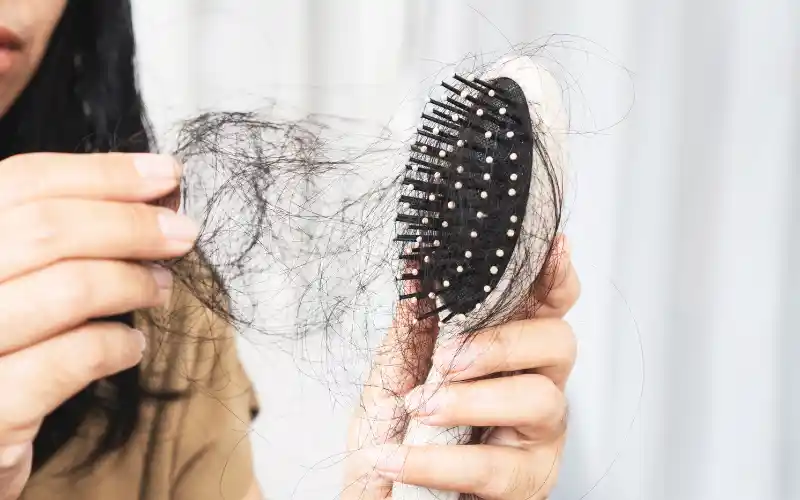
Diffuse shedding can follow illness, stress, hormonal change, nutritional deficiency or medication changes. Some patients need investigation or time—not immediate injections.
Active scalp infection, uncontrolled medical conditions, significant blood abnormalities, pregnancy-related considerations, medication interactions or an uncertain diagnosis may change candidacy. Individual risks and contraindications must be reviewed before treatment.
LMC has offered non-surgical hair restoration since 2013. The difference is not a louder regrowth promise; it is transparent technology, objective assessment, experienced care and honest limits.
Patients are not forced into one generic tube. LMC can compare RegenLab PRP, ACP PRF, ACP MAX PRF and Arthrex Angel PRP according to the treatment area and patient profile.
The selected branded system is identified before preparation. Patients can ask about the manufacturer, process and expected treatment volume before proceeding.
HairMetrix imaging and standardized photography provide a stronger baseline than memory, lighting or an inconsistent phone photo alone.
LMC’s experienced nursing team performs hair-restoration procedures using established preparation and injection protocols within individual scope and candidacy requirements.
If injections are unlikely to meet your expectations—or medical assessment should happen first—you deserve to hear that before purchasing a package.
Hair loss is often progressive. LMC can reassess response, maintenance needs and whether continuing the same treatment still makes sense.
The questions patients should ask before spending money on PRP, PRF or another hair-loss treatment.
Ask About My Hair LossThere is no universally best treatment. The right path depends on the likely cause, pattern, follicle activity, treatment area, health history, previous response, budget and goals. Some patients may benefit from PRP, PRF or an adjunctive treatment; others need medical management, a transplant consultation or treatment of an underlying condition.
PRP may support active, miniaturizing follicles and improve the appearance of thinning in suitable candidates. It cannot guarantee regrowth, recreate a surgically lowered hairline or reliably restore areas where follicles are absent or no longer functioning.
Not automatically. PRP and PRF differ in preparation, anticoagulant use, fibrin characteristics, prepared volume and concentration profile. One patient may be better matched to PRP while another may be considered for ACP PRF or ACP MAX PRF.
Many plans begin with approximately three to five sessions spaced about four to eight weeks apart, but the exact course depends on the diagnosis, severity, technology, treatment area and response. Follow-up should determine whether maintenance, a change in plan or no further injections is appropriate.
Hair grows slowly. Some patients notice reduced shedding before visible density changes. Early changes may become apparent after roughly three to six months, while a meaningful comparison can require six to twelve months. Timelines and outcomes vary.
HairMetrix digital trichoscopy can document measurements such as hair density, follicular units, shaft characteristics and miniaturization in selected scalp areas. It supports planning and follow-up but does not replace medical diagnosis.
Yes, suitable women and men with active follicle miniaturization or selected pattern thinning may be candidates. Female and diffuse hair loss can also involve iron deficiency, thyroid disease, hormonal change, medication effects, illness or stress, so assessment matters.
Often, yes. Male- and female-pattern hair loss are commonly progressive. Depending on response and the underlying cause, maintenance may be considered every few months or on another individualized schedule. It should be reassessed rather than continued automatically.
Scalp injections can be uncomfortable. Sensation varies by patient, treatment area, number of injections, prepared volume and protocol. Temporary soreness, redness, pinpoint bleeding or tightness may occur. Available comfort measures and aftercare are reviewed before treatment.
Ask which named system is used, whether the sealed kit is opened in front of you, who performs the procedure, how candidacy is assessed, how progress is measured and how limitations are explained. Price alone does not tell you whether two PRP treatments are equivalent.
Cost varies by technology, prepared volume, number of sessions and whether scalp analysis or adjunctive treatment is included. LMC publishes its current hair-restoration prices and offers package and eligible financing options.
LMC – Laser Medical Clinic is located at 10168 Yonge Street, Suite 203, in Richmond Hill, Ontario. The clinic serves patients from Toronto, Vaughan, Markham, Aurora, Newmarket, York Region and across the GTA. Free parking is available at the back of the building.
Book a free consultation at LMC in Richmond Hill to review your pattern, treatment history and available diagnostic and non-surgical options.
10168 Yonge Street, Suite 203, Richmond Hill, Ontario
Complete the form and the LMC team will contact you regarding availability.
If the form does not load, call 647‑560‑8333.